

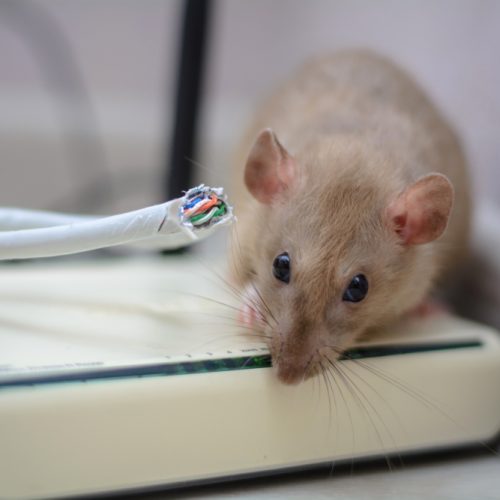
Mice Are a Fire Safety Risk for Missouri Homeowners:
- Mice Pose Fire Hazards: Mice chew on electrical wiring to maintain their teeth, exposing live wires and creating risks like arcing, short circuits, and ignition of flammable nesting materials.
- Hidden Dangers of Chewed Wires: Fires caused by exposed wires often start in concealed areas like walls or attics, making them difficult to detect until they become severe.
- Signs of Infestation: Look for droppings, gnaw marks, shredded nesting materials, strange noises, and musky odors as early indicators of a mouse problem.
- Professional Pest Control is Crucial: DIY methods are often insufficient. Comprehensive pest control, like Steve’s Pest Control’s 5 Star Service Program, ensures effective removal, prevention, and long-term protection.
When you spot a mouse scurrying across your kitchen floor, your first thought might be about germs or a ruined box of cereal. While those concerns are valid, a much greater danger is often overlooked: the risk of a house fire. In Missouri, these small rodents are more than just a nuisance; they are a significant threat to your home’s safety, with a particular habit of chewing on electrical wiring.
Mice may seem harmless, but their constant need to gnaw can have devastating consequences. Their incisor teeth grow continuously, forcing them to chew on hard materials to keep them filed down. Unfortunately, the electrical wiring inside your walls, attics, and crawlspaces provides the perfect material. This behavior is a leading, yet often hidden, cause of house fires. Understanding this risk is the first step toward protecting your family and your property.
The Hidden Danger: Mice and Electrical Wires
It’s a startling fact that a significant percentage of house fires with “undetermined causes” are suspected to be started by rodents. Mice are creatures of habit and thrive in the hidden, warm spaces of our homes-the same places where electrical systems are run.
Why Do Mice Chew on Wires?
Mice don’t chew on wires because they’re a food source. They do it for dental health. Their incisors, like a human’s fingernails, never stop growing. To prevent them from becoming too long, which could inhibit eating and lead to starvation, mice must constantly gnaw on hard surfaces. Plastic wire coatings, wood, and even soft metals offer the ideal resistance. When they chew through the protective sheathing on electrical cables, they expose the live wires, creating a severe fire hazard.
How Chewed Wires Lead to Fires
Once a wire is exposed, a few things can happen to spark a fire:
- Arcing: When the current jumps between two exposed wires or from an exposed wire to a nearby combustible material (like wood, insulation, or a mouse’s nest), it creates an electrical arc. This arc is intensely hot and can easily ignite surrounding materials.
- Short Circuits: Exposed wires can touch each other, causing a short circuit that leads to overheating and sparks.
- Nesting Material Ignition: Mice build their nests from flammable materials like shredded paper, fabric, and insulation. They often build these nests in warm, sheltered areas like wall voids or attics, right next to the very wires they are chewing on. A single spark is all it takes to ignite this tinderbox.
These fires often start within walls or hidden spaces, allowing them to grow undetected until they become major, life-threatening blazes.
Signs of a Mouse Infestation in Your Home
Because mice are nocturnal and prefer to stay out of sight, you might not see one until the infestation is already well-established. It’s crucial to recognize the early warning signs before significant damage occurs.
Common Clues of a Mouse Problem:
- Droppings: Small, dark, pellet-shaped droppings (about the size of a grain of rice) are a clear indicator. You’ll often find them in pantries, under sinks, along baseboards, and inside drawers.
- Gnaw Marks: Look for small chew marks on food packaging, furniture, baseboards, and, if visible, electrical wiring.
- Nesting Materials: Finding piles of shredded paper, fabric, insulation, or other soft materials in secluded corners, drawers, or behind appliances is a sure sign of nesting.
- Strange Noises: Listen for scratching, scurrying, or squeaking sounds coming from within walls, ceilings, or under floors, especially at night.
- Musky Odor: A large infestation can produce a distinct, stale odor caused by mouse urine.
If you notice any of these signs, it’s time to act. A few mice can quickly multiply into a full-blown infestation, dramatically increasing the risk of property damage and fire.
Why Professional Pest Control Is Essential
While DIY traps and baits might catch a few mice, they rarely address the root of the problem. A successful pest management strategy requires eliminating the entire colony and preventing future entry.
At Steve’s Pest Control, our approach goes beyond simple removal. Our 5 Star Service Program is designed to provide comprehensive, year-round protection. We don’t just set traps; we create a defensive barrier around your home.
Our process includes:
- Thorough Inspection: Our trained technicians identify not only the extent of the infestation but also the entry points mice are using to get inside.
- Targeted Treatment: We use a combination of exterior baiting and targeted interior treatments to eliminate the existing population safely and effectively. Pests are eliminated outside before they can ever get in.
- Exclusion and Prevention: We provide expert recommendations on sealing cracks, gaps, and other vulnerabilities around your home to prevent future infestations.
- Guaranteed Results: Our services come with an unlimited retreatment warranty. If a covered pest problem returns, we will promptly perform a re-treat at no additional charge.
Protect Your Home from More Than Just Pests
A mouse in the house is more than an inconvenience—it’s a serious safety risk. The danger of a house fire caused by gnawed wiring is real, especially here in Missouri. Don’t wait for a flicker of the lights or the smell of smoke to take action. Proactive pest control is an essential part of home maintenance and safety.
If you suspect you have a mouse problem or want to ensure your home is protected, contact the experts at Steve’s Pest Control today. Let us give you the peace of mind that comes with knowing your home is safe from pests and the hidden dangers they bring.
Ready to secure your home? Schedule a free evaluation or call us at 1-844-896-4868 to learn more about our 5 Star Service Programs!

FAQ: Why Mice Are More Dangerous Than You Think – Fire Hazards in Missouri Homes
Q: Why do mice chew on electrical wires?
A: Mice chew on wires to file down their continuously growing teeth, not for food. Unfortunately, this behavior exposes live wires, creating fire hazards.
Q: How do chewed wires cause fires?
A: Exposed wires can lead to arcing, short circuits, or ignition of flammable nesting materials, often resulting in fires in hidden areas like walls or attics.
Q: What are the signs of a mouse infestation?
A: Common signs include droppings, gnaw marks, shredded nesting materials, scratching noises, and a musky odor.
Q: Can I handle a mouse infestation on my own?
A: DIY traps and baits may catch a few mice but often fail to address the root problem. Professional pest control ensures complete removal and prevention.
Q: How can I prevent mice from entering my home?
A: Seal cracks, gaps, and other vulnerabilities around your home. Professional pest control services can also create a defensive barrier to keep mice out.
Need fast and reliable pest control Lebanon Missouri? Contact our team today to schedule your inspection.