

Key Takeaways
- July brings the perfect mix of heat and humidity that causes pest populations to explode in Missouri.
- Mosquitoes, ticks, wasps, ants, and spiders are currently at their most active and aggressive levels.
- Eliminating standing water, trimming your lawn, and sealing food are crucial first steps for prevention.
- DIY methods often fall short during peak season; professional treatments target the source of the infestation.
July brings some of the best parts of living in Missouri. You are likely enjoying backyard barbecues, relaxing evenings on the patio, and weekend trips to the lake. We all love spending extra time outdoors during the summer. Unfortunately, the same weather that makes summer fun also creates the perfect environment for unwanted guests.
Missouri’s combination of intense heat and heavy humidity creates an ideal breeding ground for insects. July stands out as one of the busiest pest months of the entire year. Colonies have had time to grow, and bugs are actively searching for food and water. This guide covers the five main pests homeowners need to watch for right now, along with simple steps to protect your family and pets.
Why Pest Activity Explodes in July
You might feel like bugs suddenly took over your yard overnight. In reality, these populations have been building for months. Several factors come together in mid-summer to create a pest boom.
Heat and Humidity Create Ideal Conditions
Warm temperatures accelerate insect breeding cycles. Summer storms bring heavy rain, leaving behind the moisture that pests desperately need to survive. Longer daylight hours also give these bugs more time to forage, mate, and build their nests.
Outdoor Living Creates More Opportunities
We spend more time outside during the summer, which naturally draws pests closer to our living spaces. We leave doors open while carrying in groceries. We keep outdoor trash cans full of food scraps from cookouts. Kids leave kiddie pools and toys out in the yard, collecting standing water. Increased yard activity provides pests with everything they need to thrive right near your foundation.
Pests Reach Peak Population Levels
By the time July rolls around, insect colonies and nests have had months to grow. What started as a few bugs in May has turned into a massive population. Homeowners often notice pests appearing in large numbers simply because the colonies are finally operating at maximum capacity.
1. Mosquitoes
Mosquitoes are the classic summer nuisance. July and August are the absolute peak months for mosquito activity in Missouri.
Why They Are So Active Right Now
Heavy summer rain and high humidity fuel mosquito breeding. These insects lay their eggs in standing water, and it only takes a tiny amount for a female to lay hundreds of eggs. Warm summer evenings also increase their activity levels, bringing them out exactly when you want to use your patio.
Why They Are More Than Just Annoying
Mosquitoes leave behind painful, itchy bites, but the real concern is disease. They can spread serious illnesses like West Nile virus. A severe mosquito problem can easily make your patios and outdoor spaces completely unusable.
What Attracts Them
- Bird baths with stagnant water
- Clogged gutters
- Kiddie pools
- Plant trays and saucers
- Dense, overgrown landscaping where they can rest during the day
Prevention Tips
Remove any standing water from your yard at least once a week. Keep your grass trimmed and bushes pruned to reduce resting spots. Use outdoor fans on your patios, as mosquitoes are weak flyers. For the best results, schedule professional mosquito treatments to drastically reduce the population around your home.
2. Ticks
Missouri is a well-known hotspot for tick activity. These pests peak during the early to mid-summer months, particularly in June and July.
Why Homeowners Should Take Them Seriously
Ticks are dangerous carriers of disease. The Lone Star tick is especially common in Missouri and can transmit a variety of illnesses. Furthermore, pets frequently pick up ticks in the yard and carry them right into your living room.
Common Areas Ticks Hide
- Overgrown grass and weeds
- The wood line at the edge of your property
- Brush piles and leaf litter
- Dense landscaping directly next to patios and walkways
Prevention Tips
Keep your grass cut short throughout the summer. Remove yard debris, fallen branches, and leaf piles. Create a clear physical separation, like a gravel path or wood chip barrier, between wooded areas and your active lawn. Always check your pets, children, and clothing after spending time outside.
3. Wasps and Yellowjackets
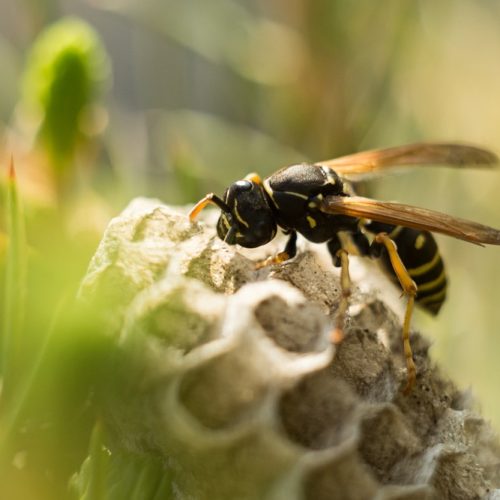
Stinging insects become highly active and defensive as the summer progresses. By July, wasp and yellowjacket nests are buzzing with activity.
Nest Activity Peaks in Mid-to-Late Summer
Colonies grow rapidly from spring through late summer. Nests become larger, housing hundreds or even thousands of stinging insects. As the colony grows, the pests become much more aggressive when defending their home.
Common Nesting Locations
- Under wooden decks
- Roof eaves and soffits
- Inside sheds or garages
- Deep inside thick bushes
- Underground burrows (especially for yellowjackets)
Why They Become a Bigger Problem in July
Summer brings more outdoor food, especially sugary drinks and grilled meats, which heavily attract yellowjackets. A larger colony simply means more defensive behavior near your home.
Signs of a Nest Nearby
Watch for consistent wasp traffic moving back and forth from one specific area. You might also notice buzzing around your garbage cans or visible gray paper nests hanging from your eaves.
Prevention Tips
Keep all outdoor trash tightly sealed. Regularly inspect your eaves, deck, and outdoor furniture for early signs of nests. If you spot an active nest, avoid disturbing it. Stinging insects are dangerous, and removal is always best left to professionals.
4. Ants
Ants are highly active during the summer. The intense heat often pushes them indoors as they search for food, water, and shelter.
Common Missouri Ant Problems
Homeowners frequently deal with kitchen infestations as ants trail toward crumbs and spills. You might also spot carpenter ants near moisture-damaged wood around your foundation or windows. During periods of high humidity, you may even see flying ant swarms emerging around your property.
What Attracts Them
- Food crumbs on the floor or counters
- Unsealed pet food
- Moisture problems around sinks, pipes, and foundations
Prevention Tips
Store your food tightly in sealed containers. Clean up sticky spills and crumbs immediately. Fix any leaky pipes or moisture issues in your home. Take a walk around your foundation and seal up any visible cracks or gaps where ants might enter.
5. Spiders
When insect populations explode, spider populations follow closely behind. More bugs mean more food for spiders.
Why Spider Sightings Increase in Summer
Spiders become highly active in garages, basements, and the quiet corners of your home during the summer. Missouri homeowners often notice an increase in cobwebs around outdoor lights and patios. The warmer months also bring elevated concerns regarding the venomous brown recluse spider.
Areas Spiders Prefer
- Dark storage spaces and closets
- Crawl spaces
- Garages and sheds
- Underneath outdoor furniture
Prevention Tips
Reduce clutter in your basement and garage to limit spider hiding spots. Sweep down webs regularly from your eaves and porches. Keep outdoor lighting turned off when not in use, as lights attract the flying insects that spiders love to eat.
When Summer Pest Activity Signals a Bigger Problem
You can take all the right preventative steps, but pests are persistent. Sometimes, a few bugs are actually a sign of a larger infestation.
Warning Signs Homeowners Should Not Ignore
Pay attention to frequent pest sightings indoors. If you find multiple wasp nests around the property, or if mosquitoes are completely overwhelming your yard despite removing standing water, you have a larger issue. Persistent ant trails that return after cleaning and tick activity in well-maintained lawns also point to an established pest presence.
Why DIY Is Not Always Enough
Summer pest populations grow faster than most over-the-counter products can handle. Many serious infestations start deep outdoors before moving inside your walls. Professional treatments are designed to target the nesting and breeding areas directly, breaking the lifecycle and keeping your home protected.
Stay Ahead of Missouri’s Peak Pest Season
July is the peak season for many of Missouri’s most stubborn pests. Taking small prevention steps right now can help you avoid major infestations later in the summer.
We know how frustrating it is when bugs take away your peace of mind. You deserve to enjoy your backyard safely. By partnering with a trusted pest control provider, you can protect your home, your family, and your pets from summer pests. Contact us today to schedule a comprehensive inspection and get back to enjoying your summer.

Frequently Asked Questions
Q: Why are pests so bad in Missouri during July?
A: July combines high heat with heavy humidity. This weather accelerates insect breeding cycles and provides the moisture pests need to survive. Colonies that started growing in the spring reach their peak sizes by mid-summer.
Q: Can I effectively control mosquitoes on my own?
A: While you can reduce mosquitoes by removing standing water and using fans, DIY sprays often provide only temporary relief. Professional treatments specifically target the breeding areas and resting spots in your yard to drastically knock down the population.
Q: How do I know if I have a brown recluse problem?
A: Brown recluse spiders love dark, undisturbed areas like garages, attics, and closets. If you frequently spot spiders with a dark violin shape on their back, or if you are finding them hiding in old boxes and clothing, it is time to call a professional for an inspection.