

Key Takeaways
- Proactive Fall Pest Control: Start early to prevent pests from establishing themselves in your lakefront property. Seal entry points, maintain landscaping, and clean dock areas to reduce pest pressure.
- Unique Lakefront Challenges: Lake Ozark’s microclimate attracts pests like long-jawed spiders and rodents. Regular maintenance and professional treatments are essential for effective control.
- Professional Expertise Matters: DIY methods may not address the unique pest challenges of lakefront living. Professional services like Steve’s Pest Control offer tailored solutions for waterfront properties.
As autumn arrives at Lake Ozark, the changing season brings more than just beautiful foliage and cooler temperatures. Fall marks a critical time for pest control as various creatures seek warm shelter for the coming winter months. Living near the water presents unique challenges that require specialized attention and proactive measures to keep your lakefront property pest-free.
Understanding the seasonal pest patterns around Lake Ozark helps you stay ahead of potential infestations. This comprehensive checklist will guide you through essential fall pest control strategies, from addressing dock spiders to preventing rodent invasions in your cozy lake home.
Understanding Fall Pest Behavior at Lake Ozark
Fall triggers survival instincts in pests throughout the Lake Ozark area. As temperatures drop, insects and rodents begin their search for warm, protected spaces to overwinter. Your lakefront property becomes an attractive target due to its proximity to water sources and the shelter it provides.
The unique microclimate around Lake Ozark creates ideal conditions for certain pests to thrive. Long-jawed spiders, which are particularly common around docks and waterfront structures, remain active longer than their inland cousins. Meanwhile, rodents like mice and rats start seeking entry points into homes as their outdoor food sources become scarce.
Understanding these behavioral changes allows you to implement preventive measures before pest problems escalate. The key is acting early – waiting until you see signs of infestation often means the problem has already established itself.
Exterior Home Preparation
Sealing Entry Points
Your first line of defense starts with a thorough exterior inspection. Walk around your property and look for gaps, cracks, and openings that could serve as pest highways into your home. Pay special attention to areas where utilities enter your house, foundation cracks, and gaps around windows and doors.
Even holes the size of a dime can accommodate determined mice. Steel wool and caulk are used to seal smaller gaps, while larger openings may require hardware cloth or metal flashing. Don’t forget to check your roof line and attic vents often. These overlooked areas provide easy access for various pests.
Landscaping and Yard Maintenance
Proper landscaping maintenance significantly reduces pest pressure around your lake property. Trim tree branches that touch your roofline, as these create bridges for insects and rodents. Keep shrubs and vegetation at least three feet away from your home’s foundation.
Remove leaf piles, fallen fruit, and other organic debris that can harbor pests. Clean your gutters regularly to prevent standing water, which attracts mosquitoes and other insects. If you have firewood, store it at least 20 feet from your home and elevate it off the ground to discourage rodents and insects.
Dock and Waterfront Structures
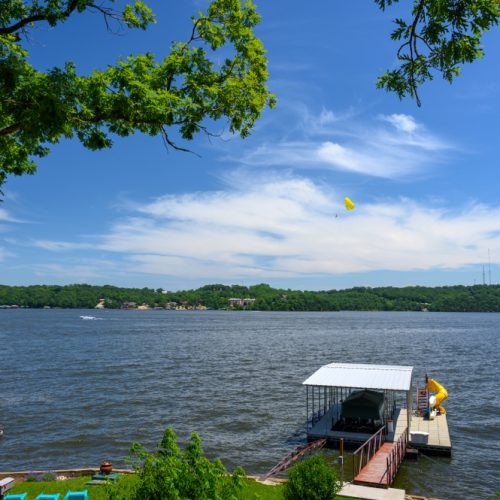
Lake Ozark residents face unique challenges with waterfront structures. Long-jawed spiders are particularly problematic around docks, creating unsightly webs and making outdoor spaces unpleasant. Regular cleaning and maintenance of dock areas helps reduce spider populations and their prey insects.
Remove spider webs and egg sacs from dock posts, railings, and nearby vegetation. Consider installing dock lighting that’s less attractive to insects, which in turn reduces the food source for spiders. Yellow or sodium vapor lights are better choices than white or LED lights for minimizing insect attraction.
Interior Prevention Strategies
Kitchen and Food Storage
Proper food storage is crucial for preventing rodent infestations. Store all pantry items in airtight containers, preferably glass or heavy plastic that rodents cannot chew through. Clean up crumbs and spills immediately, and don’t leave dirty dishes in the sink overnight.
Pay attention to pet food storage as well. Mice and rats find pet food highly attractive, so store it in sealed containers and avoid leaving food bowls out overnight. Regularly clean behind and under appliances where food debris can accumulate.
Basement and Storage Areas
Basements and storage areas provide ideal harborage for various pests. Keep these spaces clean and organized, storing items in sealed containers rather than cardboard boxes that rodents can chew through. Use dehumidifiers to maintain proper moisture levels, as many pests are attracted to damp environments.
Regularly inspect stored items for signs of pest activity, including droppings, chew marks, or damage to packaging. Early detection allows for quick intervention before problems spread throughout your home.
Specific Pest Concerns for Lake Ozark
Long-Jawed Spiders
These distinctive spiders are synonymous with lakefront living in Missouri. They’re particularly active during fall months and can quickly cover dock areas with webs. While harmless to humans, their presence can make waterfront activities unpleasant.
Regular web removal and treating areas where they congregate help manage populations. Focus on dock posts, railings, and vegetation near the water’s edge. Professional treatment provides more comprehensive control, especially for properties with extensive waterfront structures.
Biology of Midges (flying insect)
Spending 3 out of 4 stages of their life cycle in the bottom soil of the lake, they hatch and fly up to surrounding areas. They are attracted to light, so at night they swarm your house. Which brings predator insects like the long-jawed spider up to your house.
Rodent Prevention
House mice and Norway rats become increasingly problematic as temperatures drop. These rapid breeders can quickly establish populations if given access to your home. A single pair of mice can produce up to 35 offspring per year, making prevention critical.
Look for signs of rodent activity, including droppings, gnaw marks, scratching noises in walls, and grease marks along travel routes. Mice droppings are small with pointed ends, while rat droppings are larger and banana-shaped. Early detection allows for more effective control measures.
Fall Insect Activity
Various insects remain active during the fall months around Lake Ozark. Box elder bugs, cluster flies, and Asian lady beetles often seek shelter in homes as temperatures cool. These overwintering pests can become significant nuisances if they establish themselves in wall voids or attic spaces.
Professional vs. DIY Approaches
While many homeowners attempt DIY pest control, the unique challenges of lakefront living often require professional expertise. Lake properties face higher pest pressure due to their proximity to water and the diverse habitats that support various pest species.
Professional pest control offers several advantages, including proper identification of pest species, targeted treatment methods, and ongoing monitoring to prevent re-infestations. Companies familiar with Lake Ozark’s specific pest challenges can provide more effective solutions than generic approaches.
Steve’s Pest Control Solutions for Lake Ozark
Steve’s Pest Control offers specialized programs designed specifically for lakefront properties. Their Lake Services address the unique pest pressures faced by waterfront residents, providing comprehensive protection for homes and dock areas.
The 5 Star Service Programs offer year-round protection with unlimited re-treatment warranties. These programs focus on exterior treatment, eliminating pests before they enter your home – a safer and more effective approach than continuous interior treatments. Coverage includes common lake area pests like spiders, rodents, ants, and various flying insects.
For properties requiring enhanced protection, the 5 Star Complete program combines general pest control with termite protection using The Sentricon System and significant mosquito reduction. This comprehensive approach addresses multiple pest concerns with a single, coordinated program.
Steve’s Lake Services specifically targets waterfront pest challenges, providing treatments for houses, grounds, and docks. These programs include web and nest removal during each visit, addressing the persistent spider problems common to lakefront properties.
Creating Your Fall Action Plan
Develop a systematic approach to fall pest control by creating a monthly checklist. Start exterior preparations in early September, focusing on sealing entry points and landscape maintenance. Mid-September should include interior preparations and thorough cleaning of storage areas.
Schedule professional inspections and treatments before pest activity peaks in October and November. Early intervention prevents small problems from becoming major infestations during the winter months when pests are most motivated to find shelter.
What To Do Now
Fall pest control at Lake Ozark requires a proactive approach that addresses both general pest concerns and the unique challenges of waterfront living. By following this seasonal checklist and implementing comprehensive prevention strategies, you can enjoy your lakefront property without unwanted pest visitors.
Remember that effective pest control is an investment in your property’s comfort and value. Professional services like those offered by Steve’s Pest Control provide the expertise and specialized treatments necessary to address Lake Ozark’s specific pest challenges. Don’t wait until you see signs of infestation; take action now to ensure a pest-free fall and winter season at your lake home.
Call Steve’s Pest Control at 1-844-896-4868 to schedule your fall pest control evaluation and protect your Lake Ozark property with proven 5 Star Service Programs.

FAQ Pest Control Tips for Lake Ozark:
1. Why is fall pest control important for Lake Ozark residents?
Fall is when pests like rodents and insects seek warm shelter for the winter. Proactive measures prevent infestations before they start, especially in lakefront properties that attract pests due to their proximity to water.
2. What are the most common pests around Lake Ozark in the fall?
Long-jawed spiders, rodents (mice and rats), box elder bugs, cluster flies, and Asian lady beetles are common pests during the fall season.
3. How can I prevent spiders from taking over my dock?
Regularly remove webs and egg sacs from dock posts and railings. Use dock lighting that attracts fewer insects, such as yellow or sodium vapor lights, to reduce the spiders’ food source.
4. What are the signs of a rodent infestation?
Look for droppings, gnaw marks, scratching noises in walls, and grease marks along travel routes. Early detection is key to effective control.5. Why should I consider professional pest control services?
Professional pest control offers targeted treatments, proper pest identification, and ongoing monitoring. Companies like Steve’s Pest Control specialize in addressing the unique challenges of lakefront properties, ensuring more effective and comprehensive protection.
Schedule a service visit with our trusted team for pest control Lake of the Ozarks and keep your property pest-free year-round.
You might also like:
Fall Spiders to Watch For: Common Fall Spiders in Missouri.
Brown Recluse Spiders in Missouri: Brown Recluse Activity Increases in Fall.
Silent Destroyers: Termites swarm in the fall season.
Say Bye to DIY: When to call a professional pest control company.
Treating Flea Problems: Fall flea prevention for Missouri homes.