

Key Takeaways
- Ticks carry dangerous diseases, including Lyme Disease, Rocky Mountain Spotted Fever, and Alpha-Gal Syndrome.
- Regular tick checks for people and pets, along with proper removal, are essential for safety.
- Yard maintenance—such as mowing, trimming, and removing brush—reduces tick habitats around your home.
- Professional pest control offers the most reliable, long-term protection for your family and property.
A complete guide to identifying, preventing, and eliminating ticks in your yard.
You love spending time outdoors with your family, but unseen dangers often hide in the tall grass. Ticks are blood-sucking parasites that feed on humans and pets. They do more than just leave a nasty bite. These pests carry serious and sometimes deadly diseases.
As your friend in the pest control business, we want to help you keep your property safe. You deserve peace of mind when you step into your backyard. This guide covers everything you need to know about tick identification, the dangerous diseases they carry, and practical steps you can take to prevent them. We will also explain how professional pest control services provide the ultimate protection for your home.
What Are Ticks and How Do You Spot Them?
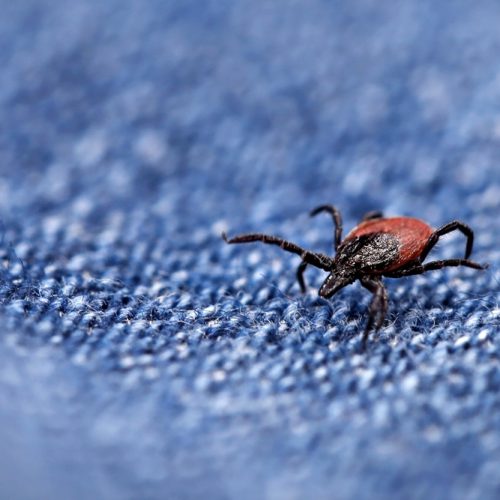
Many people mistake ticks for insects, but they actually belong to the arachnid family. Like their close cousin, the spider, adult ticks have eight legs. Ticks hatch from eggs and go through a life cycle that includes larval, nymph, and adult stages. When they first hatch into larvae, also known as seed ticks, they are incredibly tiny and only have six legs.
Ticks survive entirely on the blood of mammals, amphibians, birds, and reptiles. Because they cannot fly or jump, they wait on the tips of grasses and shrubs. When a host brushes past, the tick climbs aboard.
Three common hard ticks frequently invade residential properties:
- The Lone Star Tick: Known for its aggressive nature, this tick will actually crawl long distances toward a potential host. Adult females have a distinct white dot on their backs.
- The American Dog Tick: Also called wood ticks, these are dark brown and often latch onto domestic pets.
- The Deer Tick: Also known as the black-legged tick, this species is smaller than the others but carries significant disease risks.
Dangerous Tick-Borne Diseases to Watch For
Ticks transmit diseases directly into your bloodstream when they bite. They are second only to mosquitoes in their ability to spread human diseases. If you experience unusual symptoms after spending time outdoors, consult your healthcare provider immediately. Here are the three most severe tick-borne illnesses you need to know about.
Lyme Disease
The deer tick primarily transmits Lyme disease. Symptoms usually appear anywhere from two to 30 days after a bite. One of the most common early warning signs is a red bump that slowly expands into a large red ring or bullseye pattern.
Other symptoms include fever, chills, headaches, backaches, general fatigue, dizziness, and shortness of breath. If left untreated, the disease causes severe long-term complications. In fact, 60 percent of Lyme disease cases eventually develop rheumatoid arthritis in the joints of the arms and legs.
Rocky Mountain Spotted Fever
The lone star tick and the American dog tick are the primary carriers of Rocky Mountain Spotted Fever. This dangerous illness acts quickly. Symptoms usually occur between two days and two weeks after the initial tick bite.
The illness almost always starts with a distinct rash on the wrists and ankles. Over time, this rash spreads to all parts of the body. You might also experience intense headaches, high fevers, backaches, and extreme exhaustion. Early treatment is absolutely vital for a full recovery.
Alpha-Gal Syndrome
Alpha-Gal Syndrome (AGS) is a severe condition transmitted by multiple tick species, most notably the Lone Star tick. This unique illness causes the human body to develop a severe allergy to red meat, including beef, pork, lamb, and venison.
Allergic symptoms typically occur two to six hours after eating meat or dairy products. These symptoms range from hives, rashes, and heartburn to difficulty breathing and a dangerous drop in blood pressure. Some people also experience swelling of the throat and tongue, severe stomach pain, and vomiting.
How to Check for and Safely Remove Ticks
Prevention starts with vigilance. If you regularly walk through uncut fields, brush, or woodsy areas, you must make checking for ticks a daily habit. Wear light-colored clothing when hiking or working in the yard. Light fabrics make it much easier to spot dark ticks crawling up your legs.
Always check your children and pets after they finish playing outside. Pay close attention to hidden areas like the scalp, behind the ears, under the arms, and behind the knees.
If you find a tick latched onto your skin, do not panic. Proper removal is essential to prevent infection and disease transmission. Follow these simple steps:
1. Grab a pair of fine-tipped tweezers.
2. Grasp the tick as close to your skin’s surface as possible.
3. Pull upward with steady, even pressure. Do not twist or jerk the tick, as this can cause the head to break off and remain in your skin.
4. Make sure you completely pull out the head along with the rest of the body.
5. Once removed, wash your hands thoroughly with soap and water.
6. Clean the affected area and apply rubbing alcohol to sterilize the bite.
To safely dispose of the tick, place it in a sealed bag or container. You can also freeze it. Keeping the tick helps your doctor identify it if you develop symptoms later.
Practical Tips to Prevent Ticks in Your Yard
You hold the power to make your yard less attractive to ticks. Tick populations thrive in shaded, humid environments. They love tall grasses, thick leaf litter, and brushy borders around the edge of your lawn.
Start by practicing routine yard maintenance. Mow your grass regularly and keep your hedges trimmed back. Sunlight kills ticks naturally by drying them out, so create as much open, sunny space as possible. Remove fallen leaves, clear away heavy brush from the ground, and keep your firewood neatly stacked and elevated.
If you own dogs or cats, talk to your veterinarian about regular flea and tick preventative treatments. Protecting your pets is a critical step in keeping ticks out of your home.
Why You Need Professional Tick Control Services
While yard maintenance helps, it rarely eliminates a heavy tick population completely. That is where we come in. Professional pest control provides the most effective and reliable defense against ticks and the diseases they carry.
When you hire experts, we perform a comprehensive on-site tick control evaluation of your property. We examine the size of your yard, identify the types of vegetation you have, and pinpoint the exact areas where ticks breed and hide. We understand tick biology and behavior, which allows us to target them effectively.
Based on the level of tick control you need, we evaluate and treat your grounds thoroughly. We also create a customized plan for continuous treatment. Programs like our 5-Star Service eliminate pests outside before they ever enter your building. These year-round protection plans are safer and more effective than sporadic treatments. We handle the heavy lifting, giving you back your yard and your peace of mind.
Do not let ticks ruin your time outside or threaten your family’s health. Take control of your property today by partnering with a dedicated tick control expert. Protect your home from ticks today by scheduling a free evaluation with Steve’s Pest Control, or call us at 1-844-896-4868 to learn more about our comprehensive service plans!

Frequently Asked Questions
1. What diseases can ticks transmit to humans and pets?
Ticks can carry and transmit several serious diseases, including Lyme disease, Rocky Mountain Spotted Fever, and Alpha-Gal Syndrome.
2. How can I identify different types of ticks in my yard or on my pets?
The blog explains how to identify common tick species like the Lone Star Tick, American Dog Tick, and Deer Tick based on physical traits and behavior.
3. What are the symptoms of tick-borne illnesses?
Early symptoms can include rashes, fever, headaches, joint pain, and allergic reactions. The blog details specific signs for each major disease.
4. What steps should I take to safely remove a tick?
Safe removal involves using fine-tipped tweezers to extract the tick without leaving parts behind and cleaning the bite area thoroughly.
5. How can I prevent tick infestations around my home and yard?
Prevention tips include routine yard maintenance, regular checks on pets and people, and considering professional pest control services for comprehensive protection.