

Key Takeaways
Location Matters: Store firewood at least 20 feet away from your home’s foundation to prevent termite and rodent migration.
Elevate and Ventilate: Keep wood off the soil using racks or pallets and cover only the top to allow airflow and reduce moisture.
Inspect and Burn: Check logs for bugs before bringing them inside and burn them immediately; never store firewood indoors for long periods.
Professional Help: If you see signs of termites, carpenter ants, or rodents, contact a professional pest control service immediately for assessment and treatment.
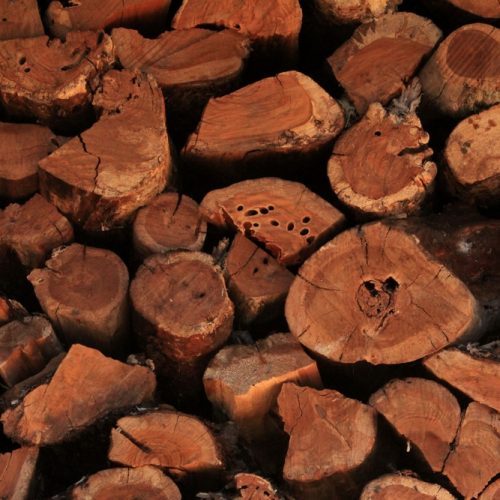
There is nothing quite like the cozy warmth of a wood-burning fireplace on a chilly Missouri evening. It’s a staple for many homes in our area. But that stack of firewood sitting in your yard or, worse, right up against your house, might be doing more than just waiting to burn. It could be serving as a luxury hotel for pests.
From termites silently destroying wood to rodents looking for a winter hideout, firewood piles are notorious magnets for unwanted guests. If you aren’t careful, you might be carrying these pests right into your living room along with your logs.
Let’s look at why your firewood pile attracts pests, the risks they pose, and the practical steps you can take today to keep your fuel dry and your home safe.
Why Pests Love Your Firewood
To a pest, a woodpile is a perfect ecosystem. It offers three things every creature needs to survive: shelter, moisture, and food.
Shelter from the Elements
In the wild, decaying logs are natural habitats for insects. A stacked woodpile mimics this environment perfectly. The gaps between logs provide safe tunnels for spiders and beetles, while the pile itself offers insulation against the cold wind and snow. Mice and rats see a woodpile as a fortress—secure, warm, and often close to other food sources. Once they establish a nest in your woodpile, they are only steps away from attempting to enter your home.
A Reliable Food Source
For wood-boring insects like carpenter ants, powderpost beetles, and termites, your firewood isn’t just a home; it’s an all-you-can-eat buffet. They bore into the wood to feed on the cellulose, often hollowing out logs from the inside out. You might not even realize they are there until you pick up a log and it crumbles in your hands. The damage these pests cause can be extensive, and once they establish a colony, they can spread to other wooden structures on your property.
Moisture Trap
Wood that sits on the ground absorbs moisture from the soil. Wet wood rots faster, and rotting wood is a beacon for pests. Damp conditions also encourage the growth of mold and fungi, which attract insects like springtails and pillbugs. This creates a cascading problem where the moisture attracts pests, which in turn cause more damage, creating even more attractive conditions for additional infestations.
The Risks to Your Home
You might think, “It’s just the woodpile, who cares if it has bugs?” The problem arises when those bugs decide to upgrade their living situation.
The Termite Bridge
This is the biggest danger and the most costly to repair. If you stack firewood against the side of your house, you are effectively building a bridge for termites. They can travel from the soil, through the woodpile, and straight into your home’s siding or foundation. Because the woodpile hides the foundation, you won’t see the mud tubes (the tell-tale sign of termites) until the damage is already done. Termite damage can cost thousands of dollars to repair and is rarely covered by homeowner’s insurance.
Bringing Pests Inside
Every time you carry an armful of wood inside, you risk bringing hitchhikers with you. Carpenter ants can wake up in the warmth of your home and start foraging for food in your kitchen, potentially establishing a new colony in your walls. Spiders can scurry out from under the bark and take up residence in your basement or closets. Wood-boring beetles can emerge and potentially infest your furniture or flooring, causing damage that may not be discovered for months.
Rodent Infestation
Mice and rats that nest in woodpiles near your home will inevitably look for a way inside as temperatures drop. A woodpile stacked against a wall gives them cover to gnaw at siding or squeeze through small gaps near utility pipes without being seen by predators—or you. Once inside, rodents contaminate food, damage electrical wiring (creating a fire hazard), and leave behind droppings that can carry disease.
Actionable Tips for Proper Firewood Storage
You don’t have to give up your fireplace to be pest-free. You just need to be smart about how you store your fuel. Follow these guidelines to minimize the risk.
1. Distance is Your Best Defense
Never stack firewood against your house, garage, or shed. This is the golden rule of firewood storage. Keep your pile at least 20 feet away from the foundation of your home. This creates a buffer zone that makes it much harder for termites and rodents to migrate from the pile to your house. If 20 feet isn’t possible due to space constraints, maximize the distance as much as you can—even 10 feet is better than directly against the wall.
2. Keep it Off the Ground
Wood that touches the soil will absorb moisture and invite termites. Build a simple rack or use pallets, bricks, or concrete blocks to elevate the bottom layer of wood at least a few inches off the ground. This improves airflow, keeps the wood drier, and breaks direct contact with the soil. Proper elevation also makes it easier to spot signs of pest activity underneath the pile.
3. Cover it Correctly
You want to keep rain and snow off your wood, but you also need it to breathe. Cover the top of the pile with a tarp or a specialized firewood cover, but leave the sides open. If you wrap the entire pile tightly in plastic, you will trap moisture inside, accelerating rot and creating a sauna for bugs. Think of it as giving your wood a hat, not a winter coat.
4. Practice “First In, First Out”
Don’t let wood sit at the bottom of the pile for years. Use the oldest wood first. Rotating your stock prevents logs from rotting and becoming long-term breeding grounds for pests. If you have leftover wood from last winter, burn that before starting on the new delivery. Mark your wood deliveries by date if you need to, so you know which pile to use first.
5. Inspect Before You Bring It In
Before you carry wood into the house, give it a good inspection. Knock two logs together loudly; this jars loose any clinging insects or spiders. Visually check for holes, sawdust, or webbing—all signs of active pest infestations. Never spray your firewood with pesticide. Burning treated wood can release harmful chemicals into your home’s air, putting your family and pets at risk.
6. Burn It Immediately
Only bring in as much wood as you plan to burn that day or evening. Do not store firewood indoors in a decorative rack or in the garage for long periods. If wood sits inside for more than a day or two, dormant insects inside the logs can become active and spread throughout your home. The warm indoor environment can wake up pests that were dormant in the cold outdoor pile.
When to Call the Pros
Sometimes, despite your best efforts, pests find a way. If you notice signs of carpenter ants (large black ants) around your woodpile, see mud tubes on your foundation behind where wood was stored, or spot rodent droppings near your home, it is time for a professional assessment.
At Steve’s Pest Control, we know exactly what to look for. We can help you identify if a woodpile has compromised your home’s perimeter and provide pet-safe, effective treatments to handle the issue. We aren’t just here to spray; we’re here to help you strategize so you can enjoy your fireplace without the worry.
Protect Your Home Year-Round with Steve’s Pest Control
Firewood is a necessity for many Missouri homeowners, but it doesn’t have to be a liability. By moving your pile away from the house, keeping it off the ground, and staying vigilant, you can enjoy a warm fire without inviting the outdoors in.
However, prevention is only part of the equation. Even with perfect firewood storage practices, pests can still find their way to your home through other means. That’s where professional expertise makes all the difference. At Steve’s Pest Control, we have been serving Missouri homeowners for years, and we understand the unique pest pressures that affect homes in our area.
Our 5 Star Service Program provides comprehensive, year-round protection against the full spectrum of pests that threaten your home. Our approach includes a thorough inspection to identify existing problems and vulnerabilities, exterior-focused treatment to create a protective barrier around your property, and seasonal adjustments to address changing pest pressures throughout the year.
What sets us apart is our commitment to your peace of mind. Our services come with an unlimited retreatment warranty. If a covered pest problem returns between scheduled services, we will promptly come back at no additional charge. You shouldn’t have to worry about whether that firewood is harboring termites or if rodents are using it as a staging area to invade your home.
Stay warm, stay safe, and don’t let pest concerns take the joy out of your cozy winter evenings. Partner with the local experts who know how to keep your home protected.
Ready to protect your home from firewood pests and more? Schedule a free evaluation with Steve’s Pest Control today or call us at 1-844-896-4868 to learn more about our comprehensive service plans!

FAQ: Firewood Storage and Pest Prevention
Q: How far should I store firewood from my house?
A: Store firewood at least 20 feet away from your home’s foundation. This creates a buffer zone that makes it much harder for termites and rodents to migrate from the pile to your house.
Q: Why shouldn’t I stack firewood against my house?
A: Stacking firewood against your house creates a “bridge” for termites to travel from the soil directly into your home’s structure. It also hides potential pest activity and provides cover for rodents trying to enter your home.
Q: Can I spray my firewood with pesticide to kill bugs?
A: No, never spray firewood with pesticide. When you burn treated wood, it releases harmful chemicals into your home’s air, creating health risks for your family and pets.
Q: What are the signs that my firewood has pests?
A: Look for small holes in the wood, piles of sawdust, webbing, mud tubes on nearby surfaces, or hollow-sounding logs. Large black ants (carpenter ants) around the pile are also a warning sign.
Q: How long can I store firewood indoors?
A: Only bring in as much wood as you plan to burn that day or evening. Wood stored indoors for more than 1-2 days allows dormant insects to wake up in the warmth and potentially infest your home.
Q: How does Steve’s Pest Control help with firewood-related pest problems?
A: We provide thorough inspections to identify pest activity around woodpiles and your home’s perimeter, offer effective treatments for active infestations, and create protective barriers to prevent pests from entering your home. Our year-round service plans adapt to seasonal pest pressures.