

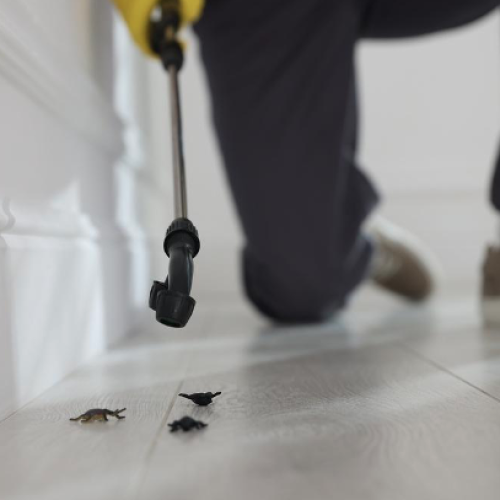
Quick Answer: Cooler fall temperatures push spiders toward homes seeking warmth, shelter, and food. Porches, garages, basements, and outdoor lighting become hotspots because these areas attract the insects spiders feed on. Steve’s Pest Control recommends professional treatment because over-the-counter sprays rarely address egg sacs or entry points, leaving the root problem unsolved.
If you’ve noticed more webs stretching across your porch railing or clinging to your garage door this season, you’re not imagining things. Fall marks peak spider activity across Mid-Missouri, and homeowners from Columbia to Jefferson City are seeing the evidence firsthand.
As temperatures drop, spiders instinctively search for warmer, more stable environments to survive the colder months ahead. Your home, with its cozy corners, steady temperatures, and abundant food sources, looks like prime real estate to these eight-legged visitors.
This guide from Steve’s Pest Control explains why fall spider activity spikes, which species you’re most likely to encounter, and what actually works to keep spiders from taking over your home. We’ll also cover why DIY remedies often fall short and what a comprehensive treatment plan looks like.
Key Takeaways
- Fall’s cooler weather drives spiders indoors as they search for warmth and shelter.
- Porches, garages, basements, and outdoor lighting attract both spiders and their insect prey.
- Common Missouri spiders include wolf spiders, cellar spiders, orb-weavers, and the venomous brown recluse.
- Increased spider sightings often signal a larger insect problem that’s providing a steady food supply.
- Home remedies rarely eliminate spider infestations because they don’t address egg sacs or entry points.
- Professional treatment from Steve’s Pest Control targets the full life cycle of spiders, not just the ones you can see.
Which Missouri Spiders Are You Most Likely to See in Your Home?
Missouri is home to a wide variety of spider species, and several of them become especially active and visible during fall. Here are the ones Steve’s Pest Control technicians encounter most often in Mid-Missouri homes.
Wolf Spiders
Wolf spiders are large, fast-moving hunters that don’t build webs to catch prey. Instead, they chase down insects, which makes them common in basements, garages, and areas with high insect activity. Homeowners often spot them scurrying across the floor rather than hanging in a web.
Cellar Spiders
Often mistaken for daddy longlegs, cellar spiders prefer dark, damp spaces like basements and crawl spaces. They spin loose, irregular webs in corners and ceiling edges, and their populations tend to grow quickly if left unmanaged.
Orb-Weavers
These are the spiders responsible for the large, intricate webs you’ll find strung across porches and outdoor lighting fixtures in the fall. Orb-weavers are most active at night and are drawn to areas where insects congregate around light sources.
Brown Recluse
Missouri falls within the established range of the brown recluse, a venomous species that prefers dark, undisturbed areas like closets, storage boxes, and woodpiles. Because their bites can cause serious reactions, identifying and addressing a brown recluse population requires prompt, professional attention.
Why Do Porches, Garages, Basements, and Outdoor Lighting Attract More Spiders in Fall?
Spiders gravitate toward specific areas of your home because these spaces offer shelter, stable temperatures, and easy access to food. Understanding these hotspots helps explain why fall spider sightings spike so dramatically.
Porches and outdoor lighting draw insects at night, and spiders follow the food. Orb-weavers, in particular, build webs near porch lights and entryways because moths, gnats, and other flying insects are reliably drawn to the glow.
Garages offer consistent shelter from dropping temperatures, along with plenty of dark corners, stored boxes, and clutter where spiders can hide undisturbed.
Basements provide the cool, humid conditions that species like cellar spiders prefer, especially in older homes with cracks in the foundation or gaps around utility lines.
As Autumn progresses and temperatures continue to fall, these areas become even more attractive, and spider activity tends to intensify through October and into November.
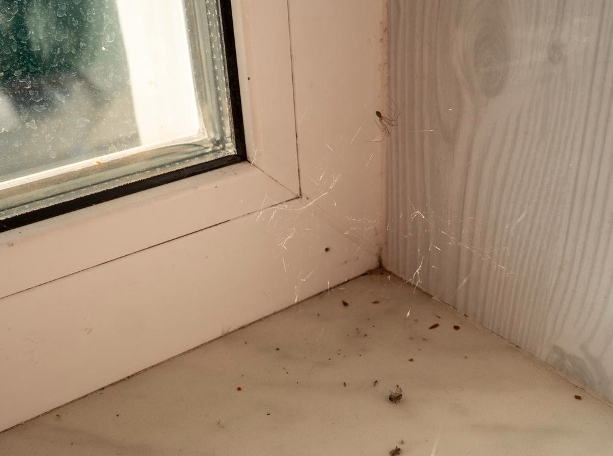
How Does Increased Insect Activity Lead to More Spiders in Your Home?
Spider sightings rarely happen in isolation. If you’re seeing more webs and spiders, there’s a good chance your home is also hosting a larger population of the insects they feed on.
Spiders are opportunistic predators, and they’ll set up shop wherever prey is abundant. Moths, crickets, cluster flies, and other insects often increase around homes in late summer and early fall as they, too, search for warmth. Outdoor lighting, uncovered trash cans, and gaps around doors and windows all contribute to this insect traffic.
This connection matters because it means a spider problem is often a symptom of a larger pest issue. Addressing the spiders without addressing their food source only provides temporary relief, since new spiders will continue moving in as long as insects remain available.
Why Don’t Home Remedies Solve a Spider Problem?
It’s tempting to reach for a store-bought spray or try a homemade vinegar solution when you spot a spider, but these approaches rarely solve the underlying issue. Here’s why.
They only kill what you can see. Over-the-counter sprays address individual spiders on contact, but they do nothing for the egg sacs hidden in cracks, corners, or storage boxes. A single egg sac can contain dozens of spiderlings, which means the problem can return within weeks even after a thorough cleaning.
They don’t address entry points. Spiders and their prey continue finding their way indoors through gaps around windows, doors, and utility lines. Without sealing these access points, new spiders will keep arriving regardless of how many you remove.
Spider treatment requires a targeted approach. Different species respond to different conditions and treatments. A wolf spider hiding in a garage needs a different strategy than a brown recluse nesting in a dark closet. Professional technicians at Steve’s Pest Control identify the specific species present and apply treatment methods suited to each one, targeting webs, egg sacs, and harborage areas rather than just the spiders that happen to be visible.
Prevention and Control Tips for Mid-Missouri Homeowners
While professional treatment provides the most thorough solution, these prevention habits can help reduce spider activity between service visits:
- Switch outdoor bulbs to yellow or sodium-vapor lighting, which attracts fewer insects than standard white light.
- Seal cracks and gaps around windows, doors, and your foundation to limit entry points.
- Reduce clutter in garages and basements, since boxes and storage piles create ideal hiding spots.
- Keep firewood and debris away from your home’s exterior walls.
- Install or repair window screens and door sweeps to block insects and spiders alike.
- Vacuum regularly in corners, closets, and behind furniture to remove webs and egg sacs before they mature.
These steps help manage spider activity, but they work best alongside a comprehensive pest control plan that addresses both spiders and the insects supporting them.
Ready for a Spider-Free Home This Fall?
Fall spider activity doesn’t have to mean sharing your home with unwanted eight-legged guests. Steve’s Pest Control has spent years helping Mid-Missouri homeowners identify, treat, and prevent spider infestations with pet-safe, technician-applied solutions designed for long-term results.
Our highly trained team doesn’t just treat the spiders you can see. We identify entry points, address egg sacs, and target the insect populations drawing spiders to your property in the first place. With a 100% satisfaction promise backing every service, you can trust that we won’t consider the job done until you are.
Don’t wait until webs take over your porch or a brown recluse turns up in a closet. Contact Steve’s Pest Control today for a free evaluation and let our rapid response team build a treatment plan tailored to your home.

Frequently Asked Questions
Why am I seeing more spiders in my house during fall?
Cooler fall temperatures push spiders indoors in search of warmth, shelter, and consistent access to food. Porches, garages, and basements offer the stable conditions spiders need to survive the colder months.
Are the spiders in Missouri dangerous?
Most spiders found in Missouri homes, such as wolf spiders and cellar spiders, aren’t dangerous to people. The brown recluse is an exception. Its venomous bite can cause serious reactions, so professional identification and treatment are important if you suspect an infestation.
Will cleaning my house get rid of spiders for good?
Cleaning helps remove visible webs and egg sacs, but it won’t address entry points or the insect populations attracting spiders in the first place. A lasting solution typically requires sealing gaps and professional treatment.
How much does spider control cost with Steve’s Pest Control?
Pricing depends on your home’s size, the severity of the infestation, and the service plan you choose. Steve’s Pest Control offers competitive rates and free evaluations, so you’ll know exactly what to expect before committing to a plan.
How quickly can Steve’s Pest Control treat a spider problem?
Steve’s Pest Control’s rapid response team can typically schedule service quickly after your initial call, with 24/7 availability for homeowners dealing with urgent pest concerns.
Are the treatments safe for my pets?
Yes. Steve’s Pest Control uses pet-safe treatment options designed to eliminate spiders and other pests effectively while keeping your furry family members protected.