

Key Takeaways:
- Missouri is prime territory for brown recluse spiders, and they commonly establish long-term infestations indoors.
- You can identify them by their light-to-dark brown color and the distinct violin-shaped marking on their backs.
- While venomous, these spiders are not aggressive and typically only bite when trapped against the skin.
- Reducing clutter, sealing entry points, and securing professional pest control are the best ways to keep your home safe.
Spotting a spider dart across your living room floor is unsettling for almost anyone. But recognizing that the spider might be a brown recluse brings a completely different level of concern. If you live in Missouri, you are likely already aware of the notorious reputation these arachnids hold. They frequently hide in our homes, garages, basements, and storage spaces, causing a great deal of anxiety for homeowners.
Because of their venomous bite, there is a lot of fear and misinformation surrounding the brown recluse. As your friendly neighborhood pest control experts, we want to help set the record straight. Knowledge is your best defense. By understanding where these spiders hide, why they enter homes, and how you can reduce the risk of infestations and bites, you can protect your family and reclaim your peace of mind.
Why Brown Recluse Spiders Are So Common in Missouri
Missouri sits directly in prime brown recluse territory. Our climate provides the exact conditions these pests need to thrive. They prefer warm temperatures, dark undisturbed areas, and cluttered storage spaces where they can hunt and breed in peace.
You will typically notice them becoming especially active during the warmer spring and summer months. However, unlike many pests that only occasionally wander indoors, brown recluse spiders can establish permanent, long-term infestations inside your home. Once they find a comfortable, temperature-controlled environment with plenty of hiding spots and insect prey, they have very little reason to leave.
How to Identify a Brown Recluse Spider
Knowing what a brown recluse looks like can help you respond appropriately if you find a spider in your home.
Key Physical Characteristics
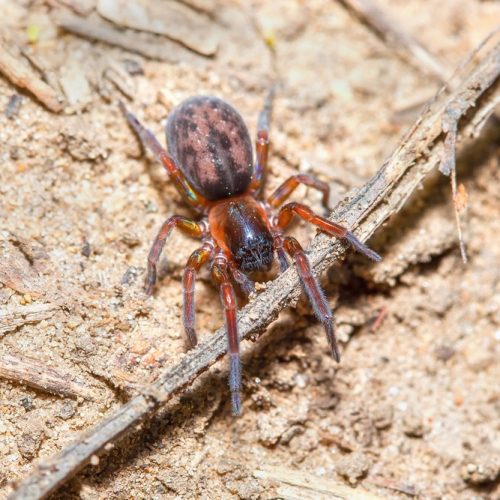
Brown recluse spiders share a few defining features. They have light to dark brown coloring and feature a very distinct violin or fiddle-shaped marking on their backs. They have a relatively small body size with long, spindly legs. When including their legs, an adult brown recluse is typically about the size of a quarter.
Common Misidentification Issues
Many harmless brown spiders get mistaken for the brown recluse. Wolf spiders, cellar spiders, and common house spiders frequently cause false alarms. Because misidentification is so common, we always encourage professional identification instead of guessing. If you catch a spider on a glue board, a pest control professional can tell you exactly what you are dealing with.
Where They’re Commonly Found
As their name suggests, these spiders love to hide. They seek out quiet, dark spaces that see very little human traffic. In a typical Missouri home, you will commonly find them in basements, garages, attics, and closets. They love to hide inside cardboard boxes, rarely worn shoes, folded bedding, wood piles, and damp crawl spaces.
Are Brown Recluse Spiders Dangerous?
The short answer is yes, but the context is incredibly important for your peace of mind.
Understanding the Bite
Brown recluse spiders are venomous. If one bites you, the bite itself is often painless at first. You might not even realize it happened. Over a few hours or days, the symptoms can worsen. The bite area may become red, swollen, and painful. In some cases, the venom can cause tissue damage or necrotic wounds that require medical attention.
Important Reassurance
While their venom is potent, brown recluse spiders are absolutely not aggressive. They do not hunt humans. They usually only bite when they feel threatened and are trapped against your skin. This most commonly happens when someone puts on clothing, bedding, or shoes where a spider is currently hiding. Most of the time, these spiders prefer staying completely hidden and avoiding people altogether.
Signs You May Have a Brown Recluse Problem
Many homeowners do not realize they have a problem until they begin consistently spotting spiders in basements, laundry rooms, or closets. Keep an eye out for these common warning signs:
- Frequent Spider Sightings: Seeing one spider might be a fluke, but seeing multiple spiders over time, especially in low-traffic areas, often indicates a larger issue.
- Egg Sacs or Shed Skins: As spiders grow and reproduce, they leave behind small, silken egg sacs and molted skins. You will often find these hidden behind heavy storage boxes or heavy furniture.
- Increased Activity in Warm Months: A sudden spike in spider sightings during spring and summer means a population is actively breeding.
- Cluttered or Undisturbed Areas: Excess storage creates ideal hiding spots. If you have rooms packed with undisturbed boxes, you have a prime habitat for a recluse.
How to Reduce Brown Recluse Activity in Your Home
You can take several proactive steps to make your home less inviting to these unwanted guests.
Declutter Storage Areas
Spiders love clutter. Reduce the number of cardboard boxes and paper piles in your home, as these are favorite hiding spots. Opt for tightly sealed plastic storage bins instead. Take a weekend to organize your garages and basements, keeping items elevated off the floor whenever possible.
Seal Entry Points
Prevent spiders from getting inside by physically blocking their entryways. Seal cracks around your doors and windows with weatherstripping or caulk. Check for foundation gaps and tightly seal any utility openings where pipes or wires enter the home.
Reduce Other Insects
Brown recluse spiders follow their food sources. If your home has ants, crickets, or roaches, spiders will stick around for the buffet. Implementing a general pest control plan helps eliminate the prey insects, which naturally discourages spiders from staying.
Be Careful With Stored Items
Form a habit of shaking out your shoes and clothing before putting them on, especially if they have been sitting in a closet for a while. Inspect bedding or stored guest blankets before using them. Always use caution and wear gloves when moving old boxes out of storage.
Keep Outdoor Areas Maintained
Spiders often start in the yard and move indoors. Move firewood well away from the perimeter of your home. Trim dense vegetation and shrubs so they do not touch your siding, and remove debris piles where spiders like to build their initial nests.
Why Brown Recluse Infestations Are Difficult to Eliminate
Getting rid of a brown recluse infestation is rarely a simple DIY project. These spiders are extremely reclusive and incredibly good at hiding in places you cannot easily reach. Many over-the-counter pest control sprays only affect the spiders they directly contact. Since most of the population stays hidden in wall voids, attics, crawl spaces, and deep storage areas, a simple bug spray will not solve the root of the problem. Because of their elusive nature, treating a brown recluse infestation usually requires long-term strategy and professional monitoring.
Professional Brown Recluse Control in Missouri
When you are dealing with a venomous pest, you want a solution you can trust. Partnering with a professional pest control service ensures your home receives the comprehensive care it needs.
What Professional Treatment Typically Includes
A professional approach starts with a thorough inspection of your property to identify hiding spots and assess the severity of the infestation. Based on those findings, your technician will perform targeted interior and exterior treatments. This often includes specialized attic and crawl space applications, as well as residual sprays and dust treatments applied directly into wall voids and crevices. We also set up ongoing monitoring systems to track activity over time.
Why Consistency Matters
Because these spiders hide so well and breed continuously, one single treatment is rarely enough to eliminate an established infestation. Ongoing service and routine follow-ups help maintain long-term control, breaking the breeding cycle and keeping your home protected year-round.
Don’t Ignore Brown Recluse Sightings
While brown recluse spiders are a common reality for Missouri residents, you should always take an infestation seriously. Early action can help prevent a few hidden spiders from turning into a large, overwhelming problem, significantly reducing the risk of you or your family members sustaining a bite.
If you suspect you have a brown recluse issue, do not wait for the problem to multiply. Reach out to our friendly team today for a professional inspection, expert identification, and long-term protection for your Missouri home.

Frequently Asked Questions
Q: What should I do if a brown recluse spider bites me?
A: If you suspect a brown recluse has bitten you, wash the area with soap and water, apply a cold compress to reduce swelling, and seek medical attention immediately. Try to safely capture the spider in a secure container so medical professionals can identify it.
Q: Can I get rid of brown recluse spiders on my own?
A: DIY methods are generally ineffective for brown recluse spiders because they hide deep within wall voids and clutter where standard bug sprays cannot reach. Professional pest control provides the specialized tools and residual treatments necessary to eliminate the entire population.
Q: When are brown recluse spiders most active in Missouri?
A: These spiders are most active during the warmer months, typically from March through October. However, because our homes provide a climate-controlled environment, they can remain active and breed indoors all year long.