

Occasional Invader Identification
Common Pests In Missouri
General pests/occasional invaders enter your home when the conditions outside become too hard for them to handle. Once in your home, most of these pests will not survive long, leaving you to clean up after them. Below are some of the most common occasional invaders in Missouri that might try to make their way into your home or business.
Mid-Missouri Spring Invaders: How to Protect Your Home from Pests.
General Pests Identification
Boxelder bug
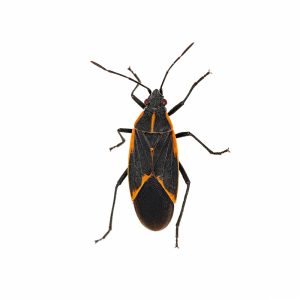
Boxelder bugs are black, winged insects with 3 red stripes running lengthwise down their body, and a bright red color under their wings. Immature box elder bugs—or nymphs—are wingless, smaller, more round-shaped, and bright red in color. Box elder bugs are commonly found on elm, maple and box elder trees. They are also commonly found in houses and structures, typically on the south side during warm days. Boxelder bugs typically appear during the winter in cracks and crevices in and around buildings, door and window frames, behind siding and soffits, tree holds, woodpiles, etc.
Camel Cricket
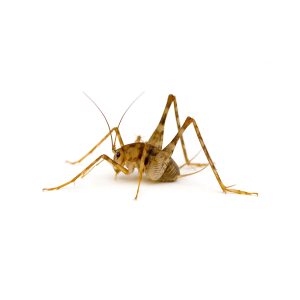
The camel cricket is light to dark brown in color, and may have lighter or darker mottled areas. They have a humpback and long, threadlike antenna that are much longer than their body. They are typically found outdoors, around buildings and under mulch, stones, woodpiles, and other cool, moist areas. Indoors, they can be found in basements, utility rooms, crawlspaces, garages, etc. The camel cricket is nocturnal and will move indoors when it gets too hot and dry for them outdoors.
Centipede
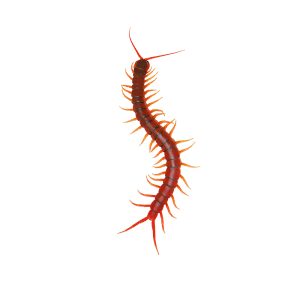
These long, wormlike creatures are usually yellowish to dark brown in color, and may have darker stripes or markings. The first pair of their legs are modified into claw-like “poison jaws,” and they have anywhere from 15 to 177 pairs of legs, with 1 pair of legs on each segment. All centipedes have venom used to kill prey. The larger species can bite humans, resulting in a painful, bee-like sting. They are typically found in damp areas, such as under mulch, grass clippings, rotting logs, stones, etc. They may occasionally make their way indoors, feeding on spiders, flies, and other insects. When a centipede is found in the house, it is usually in the basement or bathroom.
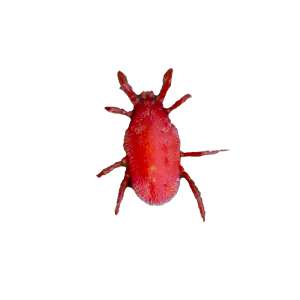
Clover Mite
These tiny arachnids are rusty brown to dark-red in color, and can be identified by their 2 long front legs. They are completely harmless and do not bite or sting, infest stored products, or harm plants. Clover mites can be an annoyance in many cases. They only reproduce outdoors, so every clover mite found indoors came in from the outside. They feed on plant saps and are especially numerous in healthy, well-fertilized lawns. Crushing these pests can lead to a dark brown or red stain.
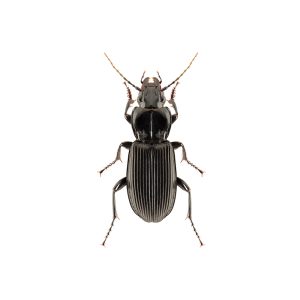
Common Black Ground Beetle
The beetles are typically shiny black in color and have an elongated – somewhat flattened body. Ground beetles are terrestrial and typically found on the ground, and will harbor beneath stones, concrete slabs and other similar ground coverings during the day. Ground beetles can enter structures by crawling under door openings, or fly through open doors and windows.
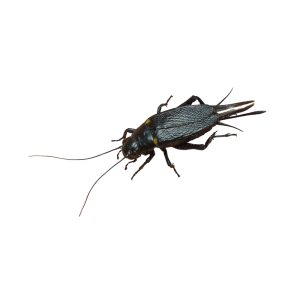
Field Cricket
The field cricket is usually black in color, but can also be brownish-yellow to yellow. They tend to live outdoors around woodpiles, under mulch, plant beds, and other moist environments. Their presence is often detected by the male’s loud chirping, which can be heard during both day and night. Field cricket can cause extensive damage to crops such as alfalfa, wheat, oats, rye, tomatoes, beans, etc. Besides crops, they also feed on other insects and crickets.
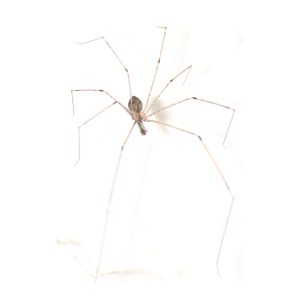
Harvestmen and Grand Daddy Longleg
Granddaddy longlegs, also known as harvestmen, are common arachnids found throughout Missouri’s diverse landscapes. Their distinctive appearance features a small, pill-like oval body supported by four pairs of extraordinarily long, delicate legs, with the second pair being notably longer and serving as sensory appendages to help navigate their environment. Unlike true spiders, these beneficial creatures have no venom glands or silk-producing organs. The females are diligent parents, carefully depositing their eggs in protected locations such as soil depressions, beneath stones, or within wooden crevices where the eggs can develop safely. As opportunistic predators, they play a valuable role in Missouri’s ecosystem by feeding on a variety of small insects, spiders, and other arthropods, while also scavenging on dead plant and animal matter.
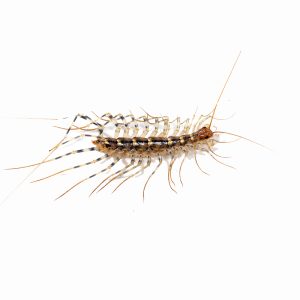
House Centipede
The house centipede is a long, flattened arthropod with a grayish yellow body, 3 dark lines running lengthwise down its segmented body, and long, slender legs. They have 15 pairs of legs, with one pair on each segment. House centipedes prefer damp places, such as basements, bathrooms, closets, underneath houses, and beneath firewood. They feed on small insects, spiders, and insect larvae, and can bite, but are considered harmless to people.
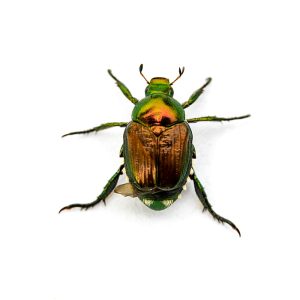
Japanese Beetles
Adult Japanese beetles are about 1/2 inch long, metallic-green in color with copper/brown wing covers. They emerge from the ground and begin feeding on plants in June. They feed in groups, devour leaves, flowers and overripe or wounded fruit, starting at the top of the plant and working downward. Plants likely to be attacked include Roses, Rose-of-Sharon, American Elm, English Elm, Mountain Ash, Gray Birch, Norway Maple and Japanese Maple.
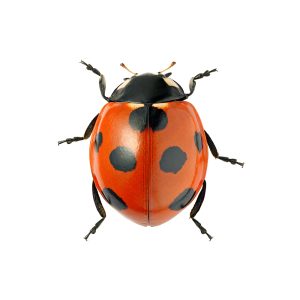
Ladybug/Asian Ladybird Beetle
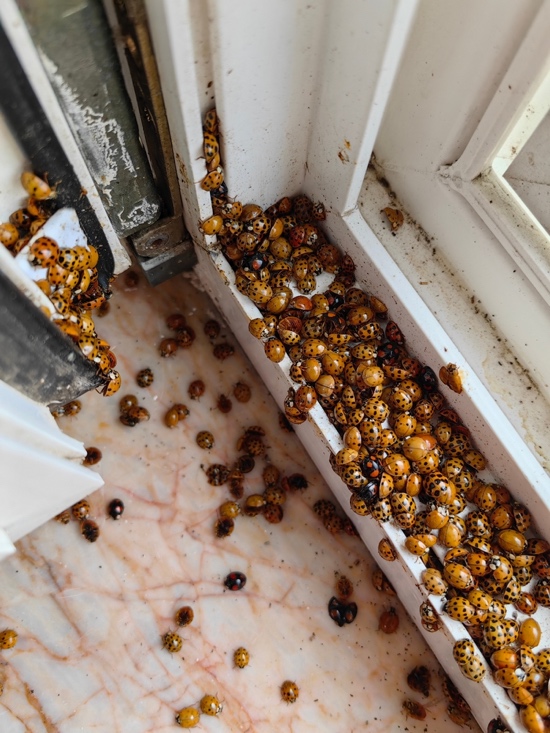
Ladybugs, also known as lady beetles or ladybird beetles, can be beneficial insects and can eat as many as 5,000 aphids in its lifetime. Adult ladybugs have an oval shape body that can be yellow, red, orange, black or pink in color, and usually marked with distinct spots. They can omit an odorous, noxious fluid when disturbed. Some species can become a nuisance as they try to stay in structures over winter. They can enter through cracks and crevices, gaps in siding and soffits, in attics, etc., and can cluster together by the hundreds and thousands.
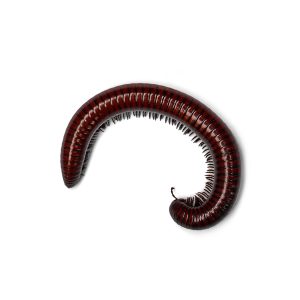
Millipede
Millipedes are worm-like and usually black or brown in color, but some species have red and orange mottled patterns. Commonly called “thousand-leggers”, the millipede can have anywhere from 30-90+ pairs of legs. They are scavengers and feed on decaying organic matter, therefore they are usually found in areas such as under trash, mulch, leaf litter, etc. Millipedes can occasionally be found indoors in basements, cellars, etc., but usually die within a few days due to a lack of moisture and food.
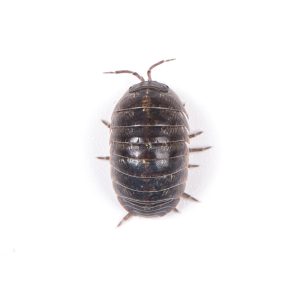
Pill Bug
The pillbox is gray in color and gets the common nickname “roly-poly” because they roll tightly into a ball when disturbed. The pill bug has 7 pairs of visible legs. They need moisture to survive, so they usually remain hidden under objects to prevent water loss. They may be found under leaf piles, mulch, rocks, trash, grass clippings, and other decaying vegetation. Pill bugs may occasionally make their way indoors on the ground, indicating a large population outdoors. That being said, they don’t survive indoors long due to the drier environment!
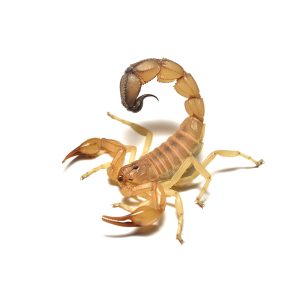
Scorpion
Scorpions, specifically the Striped Bark Scorpion, are occasionally found in Missouri. They are yellowish-brown to tan, with 2 brown or reddish-brown stripes that run lengthwise down their backs (except on the tail). While their pinchers may look formidable, their tail is the area to avoid. They can sting with their tails, and while the sting is comparable to a mild wasp sting, some people may have fatal allergic reactions. Scorpions are nocturnal and feed on insects, spiders, and other scorpions. During the day, scorpions can be found under rocks, logs, or in a burrow. In homes, they can be found in air conditioning ducts, crawl spaces, attics, sinks, or bathtubs. Pant pockets, folded blankets, and shoes also provide good hiding places for scorpions indoors.
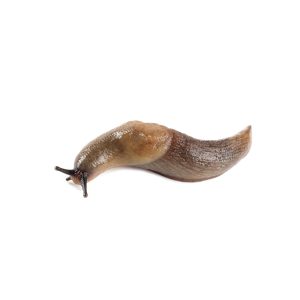
Slug
Slugs are common garden pests in Missouri, characterized by their soft, unsegmented bodies that secrete a protective layer of mucus as they move. They have two pairs of tentacles – the upper pair bearing eyes near the tips, while the lower pair serves as sensory organs for smell and touch. Their coloring typically ranges from dull brown to gray, though some species may display mottled patterns or darker markings that help them blend into their environment. Most active during humid conditions and nighttime hours, slugs leave behind a tell-tale silvery slime trail as they crawl across surfaces seeking tender plant material, making them a particular nuisance in vegetable gardens and flower beds throughout the state.
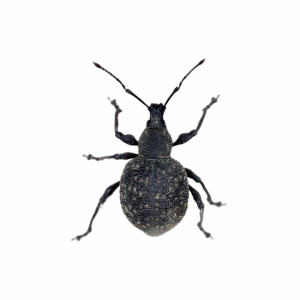
Weevil
There are many species of weevils. They have a hard-shelled oval-shaped body with a head prolonged into a snout. Some species enter buildings in the fall to overwinter, while others enter in the spring to avoid unfavorable weather conditions. Positive species identification usually requires an expert. Species include the black vine weevil, which feeds on various plants, the Asiatic oak weevil, which feeds on woody plants, the imported longhorn weevil, the strawberry root weevil, and the tulip tree weevil!
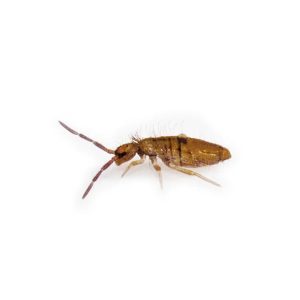
Springtail
Springtails are usually white or gray in color, and get their name from their ability to jump or “spring.” They are a nuisance pest attracted to areas of high moisture, and they live in the soil; as many as 50,000 of them can inhabit per cubic foot! They may enter homes when it becomes too dry to survive outside, and can enter through screens, around doors, on potted plants, etc. They feed on fungi, algae, lichens, decaying vegetation, etc. When an infestation occurs indoors, they may be found in bathrooms, kitchens, basements, crawlspaces, and other damp areas. Outdoors, they may be found under mulch, leaf litter, firewood, and other high-moisture areas.