

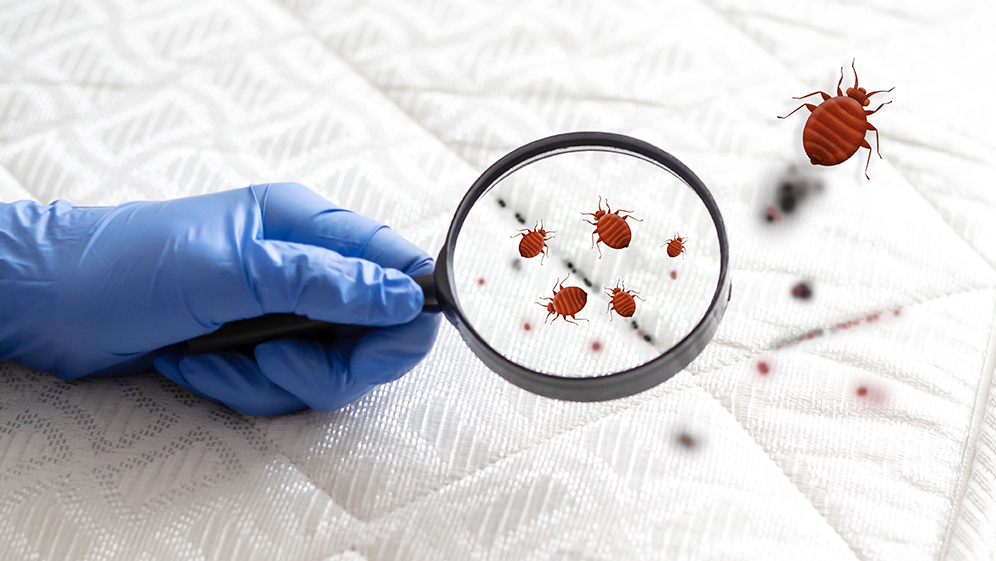
Blood Feeders Identification
Including Bed Bugs, Mosquitoes, Fleas, Ticks, and More
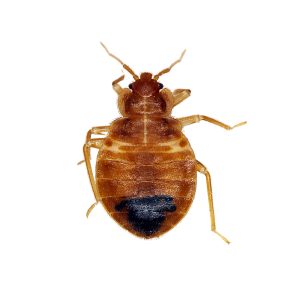
Blood Feeders get their name by feeding on the blood of humans and animals, and having the ability to carry illnesses and diseases. Some of the most common blood feeders in Missouri are listed below, with one of the most talked about being the bed bug. At about the size of an apple seed, bed bugs are great travelers, which is how they are originally brought into the home and then spread from room to room, from bed to bed, or from beds to other furniture. Other household blood feeders, like fleas, can be found on your furniture, carpet, or pets.
Blood Feeders Pest Identification
Bed Bugs
Hotels and apartment complexes are vulnerable to these insects due to the sheer number of people coming in and out of them. Adult bed bugs are about the size of a tick. Bed bugs will seek shelter during the day in cracks and crevices, and come out at night to feed. They can be found around mattress seams, box springs, bed coverings, bed frames, wall hangings, baseboards, behind loose wallpaper, light switches, etc. Small spots of blood can sometimes be found on the bed sheets. Proper treatment is key in controlling a bed bug infestation, as they can quickly spread to other areas of the building and become a much larger problem.
Cat Flea
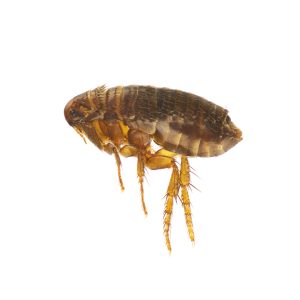
Fleas have a laterally flattened body and are wingless. They are brownish-black to black in color, but reddish-black when filled with blood. Fleas can jump about 6” vertically, so pets easily transport them, wild animals, or clothes. A flea problem can develop in homes where no pets are present if wild animals nest under or around the home. Fleas can carry diseases, so controlling their presence is important. The process is extensive, requiring diligent vacuuming on the homeowner’s part and proper pesticide application by a professional.
American Dog Tick
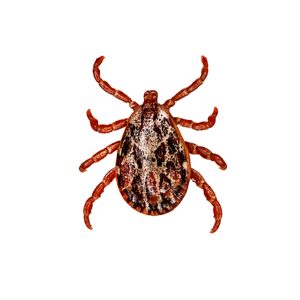
Dog ticks are the most common tick found in Missouri and are typically encountered in grassy, wooded, and brushy areas. While they prefer dogs as hosts, they will readily attach to humans and other animals. These ticks can transmit diseases such as Rocky Mountain spotted fever, which can cause severe illness, and tick paralysis, a rare but serious condition affecting the nervous system. To reduce the risk of bites, it is important to use insect repellent, wear protective clothing, and check for ticks after spending time outdoors.
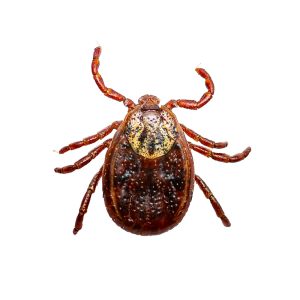
Rocky Mountain Tick
These ticks are most common in the Rocky Mountain region and are carriers of Rocky Mountain spotted fever. They are brown and become grayish when engorged with blood. Rocky Mountain wood ticks do not live indoors and are only found inside if carried in on a pet or human. You can protect yourself from ticks by keeping pant legs tucked into socks or boots, tucking in shirts, avoiding brushy areas, keeping your lawn mowed, and using personal insect repellent.
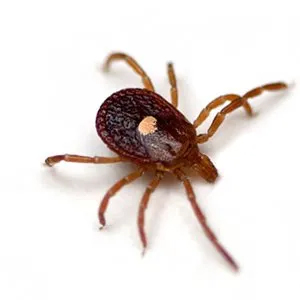
Lone Star Tick
These ticks get their name from the single whitish spot on the female’s back. They are most commonly found throughout Missouri. The Lone Star tick is also a carrier of Rocky Mountain spotted fever and possibly Lyme disease. These ticks live only outside, and the same precautions should be taken as with the Rocky Mountain wood tick.
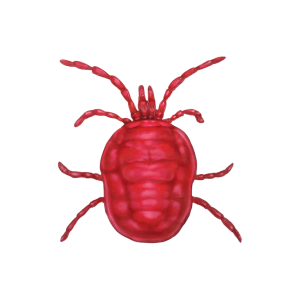
Chigger
Chiggers are a common problem that affects people and animals who spend time outside during the summer. Chiggers are the larval stage of mites that are parasitic on warm-blooded animals, including humans. There is a common misconception that the chigger burrows into your skin when it injects a digestive fluid containing an enzyme that causes skin cells to rupture, resulting in small, itchy, red welts. Chiggers are active from spring to fall, but are most noticeable during the summer. Applying insect repellents and wearing loose-fitting clothing can help prevent an encounter with these nuisance pests.
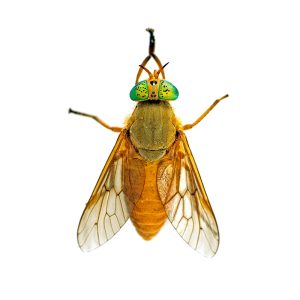
Deer Fly
Black or brownish, deer flies are so named because they are notorious pests of deer and other mammals. They are most common in suburban and rural areas, where water sites such as ponds, marshes, and slow-moving streams provide ideal breeding grounds. Female deer flies require a blood meal to reproduce and will bite humans, rabbits, rodents, and other animals, often delivering a painful bite. Their bites can cause itching, swelling, and irritation, making them a persistent nuisance during warm months.
Horse Fly
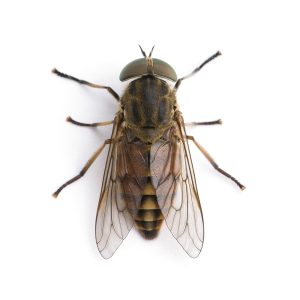
Horse flies in Missouri are large, fast-flying insects known for their painful bites. Their color ranges from black to pale yellow, often with striped abdomens and strikingly bright green or purple eyes. These aggressive blood-feeding insects are most active during full daylight, particularly on hot, sunny days with little to no wind. Female horse flies require blood meals to reproduce and will target livestock, horses, deer, and even humans. Their bites can be painful and cause irritation, as they use cutting mouthparts to slice the skin rather than piercing it. Because of their persistence and strong flight ability, they can be difficult to repel, making them a significant nuisance in rural and agricultural areas.
Culex Mosquito
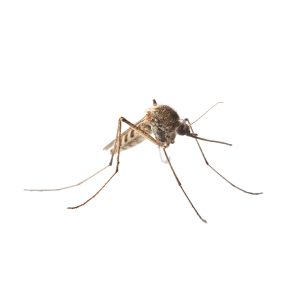
Culex mosquitoes, known as the Common Mosquito, can vary in color, typically grey, white, silver, green, or iridescent blue. They have a narrow oval-shaped body and are about a ¼ to ⅜ inches long. Female Culex Mosquitoes are the only ones that feed on blood primarily around dawn and dusk, while males feed on plant nectars. Within a few days of feeding, the female mosquito will lay rafts of as many as 300 eggs on the surface of water.
Aedes - Asian Tiger Mosquito
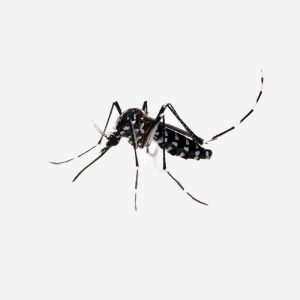
The Aedes, or Asian Tiger Mosquito, is easily recognized by its black and white striped legs and body. Unlike many other mosquito species that are most active at dawn and dusk, Aedes mosquitoes are aggressive daytime biters, making them a persistent nuisance for people spending time outdoors. They thrive in warm, humid environments and prefer to breed in small, stagnant water sources such as birdbaths, flowerpots, gutters, and discarded tires. These mosquitoes are known vectors for several dangerous diseases, including Zika Virus, Yellow Fever Virus, Dengue Fever, and Chikungunya Fever, posing a significant public health risk.